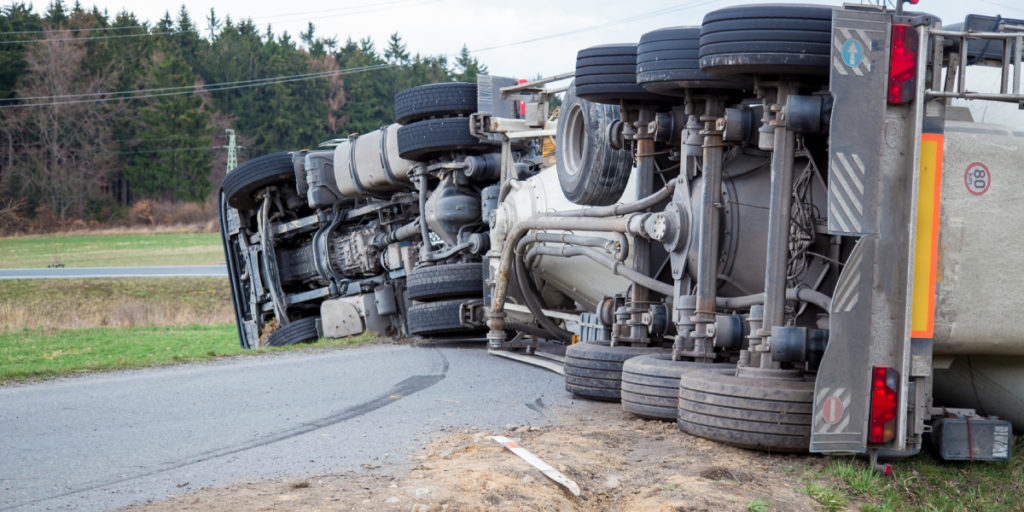
Truck Steering System Failures: Causes, Liability, and Legal Help

Published by J.A. Davis & Associates – San Antonio Truck Accident Attorneys

Truck Steering System Failures: Causes, Liability, and Your Legal Rights

Steering system failures in commercial trucks create some of the most dangerous and unpredictable crash scenarios on Texas highways. When a fully loaded 18-wheeler loses steering control, the driver’s ability to respond is limited and the consequences for surrounding vehicles are often catastrophic. These failures rarely occur without warning — they are typically the result of deferred maintenance, improper repairs, defective components, or a combination of factors that experienced truck accident attorneys know how to identify and prove.

Federal regulations require trucking companies to maintain steering systems in safe operating condition. Annual inspections must include detailed steering system checks, and drivers are required to inspect and report steering problems through daily vehicle inspection reports. When trucking companies ignore these requirements and allow vehicles with known or developing steering problems to remain in service, they create liability for every accident that results from those failures.

San Antonio Road Conditions and Steering System Stress

San Antonio’s road conditions present particular challenges for commercial truck steering systems. Ongoing construction zones on I-35, Loop 1604, and Loop 410 create uneven surfaces, debris, and sudden lane changes that stress steering components. Stop-and-go traffic requires constant steering adjustments that accelerate wear on power steering systems. Texas heat affects hydraulic fluid viscosity and can cause system overheating. Potholes and surface irregularities on aging infrastructure damage steering components progressively, creating failures that appear sudden but have been developing for miles. With the volume of commercial vehicles traveling San Antonio’s highways daily, the concentration of trucks with deferred maintenance operating in challenging conditions creates consistent risk for other motorists.

How Steering Failures Cause Crashes

Steering system failures create several distinct and dangerous crash scenarios. Lane departure occurs when trucks drift into adjacent lanes or off the roadway without the driver’s ability to correct. Jackknife accidents result when loss of steering control causes trailers to swing around and block multiple lanes. Rollover crashes happen when drivers attempt overcorrection after partial steering loss or when steering fails suddenly at speed. Head-on collisions occur when trucks cross center lines into oncoming traffic. Multi-vehicle accidents frequently involve secondary crashes as other drivers swerve to avoid an uncontrolled truck and collide with each other.

Modern trucks record steering input and vehicle behavior through electronic data systems that provide valuable evidence about the failure sequence. This data must be preserved immediately after a crash — it can be overwritten or lost if legal holds are not issued promptly. Physical examination of failed steering components by qualified mechanical engineers is equally critical, as components may be repaired or discarded during post-accident vehicle servicing before their condition is documented.

Investigating Steering Failure Cases

Proving negligence in steering failure cases requires thorough investigation across multiple areas. Maintenance records — inspection logs, repair orders, and parts replacement history — must be obtained and reviewed for patterns of neglect or deferred service. Driver training records establish whether operators received adequate instruction to recognize and respond to developing steering problems. Company policies sometimes reveal that drivers were pressured to continue operating vehicles with known issues, which creates direct corporate liability. Manufacturing evidence is relevant when steering failures result from defective parts or improper component design rather than maintenance neglect.

Accident reconstruction experts recreate how the steering failure caused the specific crash sequence, while trucking industry experts testify about proper maintenance standards and the practices that should have prevented the failure. Medical professionals document injuries and future care requirements. Economic experts calculate lost earning capacity and projected future expenses. This coordinated expert testimony is what distinguishes successful steering failure cases from claims that insurance companies can dismiss with a single adjuster’s report.

Liability and Compensation

Multiple parties may bear responsibility for steering-related accidents. Trucking companies are primarily liable for inadequate maintenance and for allowing vehicles with known problems to remain in service. Third-party maintenance shops that improperly serviced steering systems share liability for resulting failures. Parts manufacturers whose defective steering components caused failures face product liability exposure. Individual drivers who ignored obvious steering problems or failed to conduct proper inspections may bear personal responsibility. Cargo loaders whose improperly distributed loads affected steering and handling create additional liability.

Victims of steering system failure accidents typically sustain severe injuries requiring extensive compensation — emergency treatment, surgeries, rehabilitation and long-term care, lost wages during recovery, reduced future earning capacity from permanent injuries, pain and suffering, property damage, future medical needs, and loss of consortium for affected family members. Cases handled on a contingency fee basis mean no fees are owed unless compensation is recovered. J.A. Davis & Associates offers free consultations for injured victims throughout San Antonio, McAllen, and South Texas — contact the firm today to discuss your case.

Houston Energy Corridor Truck Accidents

 Carabin Shaw is one of the leading personal injury law firms in Houston, Texas. They have extensive experience in truck / 18 wheeler accident cases, focusing on securing compensation for clients’ medical bills, property damage, and pain and suffering.
Specialization: Personal injury, truck accidents, wrongful death, 18-wheeler accidents.
Why choose them? Carabin Shaw offers a free initial consultation, and its team is known for aggressively advocating for its clients’ rights.

Houston Energy Corridor Truck Accidents: Local Lawyers on Oilfield Traffic Dangers

Houston truck accident lawyers handle a significant volume of cases originating from the Energy Corridor, where oil and gas industry vehicles create unique hazards on local roads. This stretch of west Houston hosts major petroleum company headquarters and generates constant 18 wheeler traffic carrying equipment, supplies, and products. Truck accident attorneys in Houston understand the specific risks these operations create. Houston truck accident lawyers represent families devastated by crashes involving oilfield trucks. 18 wheeler accident attorneys in Houston know that energy sector trucking presents dangers beyond typical commercial vehicle operations.

Texas plays a dominant role in the national energy sector, and Houston serves as the industry’s capital. The city’s proximity to refineries, production facilities, and drilling operations makes it a hub for petroleum-related trucking. Houston truck accident attorneys see the consequences when energy industry pressures lead to unsafe practices. Truck accident lawyers in Houston fight against companies that prioritize oil production over highway safety.

Harris County recorded over 6,300 commercial vehicle crashes in 2024, and many involved trucks serving the energy sector. The Energy Corridor along Interstate 10 west of downtown experiences particularly heavy industrial traffic. 18 wheeler accident lawyers in Houston recognize how the unique demands of oilfield operations contribute to accidents on surrounding highways.

The Energy Corridor Traffic Pattern

The Energy Corridor stretches along Interstate 10 from Beltway 8 westward through the Memorial area. Major oil and gas companies maintain headquarters and regional offices in this zone. ConocoPhillips, BP, Shell, and dozens of other energy firms operate from this district. The concentration of industry creates traffic patterns unlike any other part of Houston.

Heavy trucks carrying drilling equipment, pipeline materials, and petroleum products travel these roads constantly. The vehicles serving energy operations often carry oversized or overweight loads requiring special permits. Tanker trucks transporting crude oil, refined products, and industrial chemicals add another layer of risk. These loads can create catastrophic accidents involving fires, explosions, or hazardous material releases.

Commuter traffic mixes with industrial vehicles during morning and evening rush hours. Office workers from the major energy companies share lanes with trucks hauling equipment to drilling sites across Texas. This combination of heavy commercial vehicles and dense passenger car traffic produces regular collisions.

Oilfield Trucking Risks

Energy sector trucking operates under extreme pressure to meet production deadlines. When oil prices rise, drilling activity increases rapidly, and companies push to maximize extraction. This urgency translates into pressure on trucking operations to move faster, work longer, and cut corners on safety. Drivers feel compelled to exceed legal driving hours or skip required maintenance.

The equipment hauled by oilfield trucks presents unique challenges. Drilling rigs, pump jacks, pipeline sections, and specialized tools require careful securing. Improperly loaded equipment can shift during transit, causing drivers to lose control. Oversized loads require experienced operators who understand how the cargo affects vehicle handling.

Many oilfield truck drivers work irregular schedules dictated by drilling operations rather than federal hours of service regulations. Remote drilling sites operate around the clock, and trucks must arrive when needed, regardless of the time. This scheduling reality puts fatigued drivers on Houston highways at all hours.

Hazardous Materials Transport

The energy industry requires the transportation of numerous hazardous materials through Houston. Crude oil, refined petroleum products, natural gas liquids, drilling chemicals, and industrial solvents all travel by truck. These loads turn ordinary traffic accidents into potential environmental disasters and mass casualty events.

Tanker trucks carrying flammable liquids pose particular dangers. A ruptured tank can release thousands of gallons of fuel that ignites on contact with hot surfaces or sparks. Fire spreads rapidly, engulfing nearby vehicles before occupants can escape. Burn injuries from these accidents are among the most severe and painful traumas victims can experience.

Drivers handling hazardous materials require special certification and training. Companies that skip this requirement or assign unqualified drivers to dangerous loads face significant liability when accidents occur. The failure to properly train hazmat drivers demonstrates negligence that extends throughout the organization.

The Boom and Bust Cycle

Oil and gas prices fluctuate dramatically, creating hiring cycles that affect safety. When prices rise and drilling increases, companies scramble to hire drivers. This rush often means lowering standards, abbreviating training, and putting inexperienced operators behind the wheel of heavy trucks. The driver shortage that affects all trucking becomes even more acute in the energy sector.

During boom periods, even drivers with problematic safety records find employment. Companies desperate for workers overlook past accidents, violations, or gaps in qualifications. These hiring decisions put dangerous drivers on roads throughout the Houston area. When crashes inevitably occur, the company’s negligent hiring practices become central to liability claims.

Conversely, bust periods create different risks. Companies cut maintenance budgets to survive low prices. Trucks that should be repaired stay in service with known defects. Drivers work extra hours to compensate for reduced pay. The pressure to do more with less produces conditions where accidents become more likely.

Specific Dangerous Corridors

Interstate 10 through the Energy Corridor sees constant heavy truck traffic connecting Houston to drilling areas west and south of the city. The Katy Freeway section ranks among the most dangerous highways in America, with high speeds, frequent congestion, and a mix of commercial and passenger vehicles. Energy sector trucks traveling to and from corporate offices add to already dangerous conditions.

Highway 290 serves as another major route for oilfield traffic heading northwest toward drilling operations. This corridor combines urban congestion near Houston with rural highway conditions further out. Construction zones along Highway 290 create additional hazards that catch truck drivers off guard.

Highway 225 and the Ship Channel industrial area see heavy truck traffic serving refineries and chemical plants. These routes carry both raw petroleum products and refined fuels. Tanker trucks are especially common on these corridors, increasing the risk of hazardous material releases in any accident.

Pursuing Energy Industry Defendants

Oil and gas companies have substantial resources to defend against accident claims. They employ teams of lawyers experienced in minimizing liability after crashes. Insurance coverage for energy sector operations often exceeds typical trucking policies, but accessing those funds requires overcoming aggressive defense tactics.

Complex corporate structures common in the energy industry can obscure liability. Parent companies, subsidiaries, contractors, and subcontractors create layers of relationships that defendants use to deflect responsibility. Experienced attorneys understand how to pierce these corporate structures and identify parties with real assets and insurance coverage.

If you or a loved one has been hurt in a truck accident involving energy sector vehicles, understanding the unique aspects of these cases matters. The same industry that powers the Texas economy can devastate individual lives when safety takes a back seat to production. Holding these companies accountable protects future victims and promotes the safer practices everyone deserves.

Nighttime Truck Accidents in Texas | Low Visibility Collision Injury Rights

Published by J.A. Davis & Associates – San Antonio Personal Injury Lawyers – Truck Accident Lawyers

Texas Highways: Recognizing Nighttime Truck Hazards and Protecting Yourself from Low Visibility Collisions

Nighttime truck accidents present unique dangers on Texas highways due to reduced visibility, headlight complications, and the challenges of detecting commercial vehicles in darkness. The combination of large trucks operating alongside passenger vehicles during low-light conditions creates collision scenarios that drivers cannot anticipate or avoid. Nighttime truck accidents contributed significantly to the 39,393 commercial motor vehicle crashes recorded in Texas during 2024, with 549 proving fatal and claiming 620 lives. Nighttime truck accidents occur most frequently during evening peak hours when transitional lighting conditions compromise driver visibility. If you or a family member has been injured in a collision involving a commercial truck during nighttime hours, legal remedies are available.

truck accident lawyers

The Scope of Nighttime Accidents in Texas

Texas highways extend across vast distances where nighttime driving becomes unavoidable for commercial truckers meeting delivery schedules. This constant flow of heavy vehicle traffic during darkness creates persistent collision risk for all motorists. In 2024, Texas recorded 39,393 commercial motor vehicle crashes, with darkness playing a significant role in both frequency and severity.

Crash data reveals distinct patterns in nighttime accident occurrence. The hour between 9 and 10 p.m. records the highest crash rate, measuring 6.55% above any other single hour. Friday and Saturday evenings between 8 p.m. and midnight represent peak danger periods when commercial traffic intersects with increased passenger vehicle activity. Nearly 60% of unbelted fatalities occurred during nighttime hours, demonstrating how darkness compounds the severity of collision outcomes.

Commercial trucks create particular hazards after dark. Their substantial mass blocks ambient light sources, making them difficult to detect from certain angles. Headlight maintenance issues, including dim bulbs and dirty lenses, reduce truck visibility to other motorists and limit truck driver sight distance. Impaired driving incidents among commercial operators peak between 2 and 3 a.m., when fatigue and other factors most significantly affect driver judgment.

Traffic safety research indicates that reduced visibility conditions warrant speed reductions of approximately 20% below daytime norms. However, delivery pressure and schedule demands often prevent commercial drivers from making appropriate speed adjustments for nighttime conditions.

18 wheeler accident lawyers

Warning Signs of Nighttime Truck Hazards

Nighttime driving near commercial trucks requires heightened awareness of visibility-related dangers. Recognizing warning signs of potential hazards provides motorists opportunity to create distance and reduce exposure.

Transitional lighting during dusk creates particularly dangerous conditions. Commercial trucks that fail to activate headlights during the twilight period blend into the darkening environment, becoming difficult for other motorists to detect. The period between sunset and full darkness produces visual conditions where depth perception and distance judgment become unreliable.

Headlight malfunctions create hazards in multiple forms. Flickering or dim headlights on approaching trucks indicate electrical problems that may result in complete lighting failure. Improperly aimed high beams on commercial vehicles can temporarily blind oncoming drivers, eliminating visibility during critical moments. Misaligned headlights that point too high create glare for other motorists while failing to illuminate the road surface for the truck driver.

Inadequate trailer lighting produces dangerous visibility voids. Dim or non-functional taillights make trucks difficult to detect from behind, particularly in adverse weather conditions. Fog, rain, or mist further obscures already compromised lighting, creating conditions where following drivers cannot accurately judge distance to the truck ahead.

TxDOT crash investigations indicate that these visibility-related factors contribute to more than 20% of nighttime commercial vehicle accidents. Awareness of these warning signs enables defensive responses that prevent collisions.

Protective Measures for Texas Motorists

Navigating safely near commercial trucks during nighttime hours requires proactive visibility management and defensive driving techniques. The following measures can significantly reduce nighttime collision risk.

Activate headlights early during transitional lighting periods. Turn on low beams approximately 30 minutes before sunset to maximize your visibility to other drivers. Clean headlight lenses regularly, as accumulated dirt and oxidation can reduce light output by 50% or more. Verify that headlight aim remains level to avoid blinding oncoming traffic while maintaining adequate road illumination.

Manage high beam usage appropriately around commercial trucks. Dim high beams when approaching trucks from behind or when oncoming trucks are visible. If blinded by improperly aimed high beams from an oncoming vehicle, reduce speed, maintain your lane position, and use the right edge line as a visual guide until normal vision returns. Resist the impulse to look directly at blinding lights.

Extend visual scanning range and mirror check frequency during nighttime driving. Scan at least 10 seconds ahead of your current position to identify potential hazards early. Check mirrors every five seconds to maintain awareness of approaching traffic. Double standard following distances when traveling behind commercial trucks at night, maintaining at least 10 seconds of separation to account for reduced reaction time in low-visibility conditions.

Activate hazard lights during adverse visibility conditions such as fog, heavy rain, or dust. Note warning signs for wildlife crossings and reduce speed in areas where animal activity is likely. Exercise particular caution during the 2 to 3 a.m. period when impaired driving incidents peak.

Report trucks operating with inadequate lighting through TxDOT’s 511 system. These reports contribute to enforcement efforts targeting lighting violations that create nighttime hazards.

Legal Framework and Lighting Standards

Texas traffic law establishes specific lighting requirements for commercial vehicles operating during nighttime hours. TxDOT conducts nighttime enforcement patrols targeting lighting violations, with fines starting at $50 for non-compliant vehicles. Reflective signage requirements and trailer lighting standards provide additional regulatory framework for commercial vehicle visibility.

Federal Motor Carrier Safety Administration regulations mandate specific lighting equipment and maintenance standards for commercial vehicles. Headlight inspection requirements, reflector placement specifications, and electrical system maintenance standards establish baseline visibility requirements. Violations of these standards constitute negligence when lighting failures contribute to accidents.

Trucking companies bear responsibility for maintaining vehicle lighting systems in proper working condition. When inadequate maintenance contributes to nighttime collisions, both the driver and employer may face liability.

Protecting Your Rights After a Nighttime Accident

If you have been injured in a nighttime collision involving a commercial truck, evidence preservation presents unique challenges. Photograph the accident scene, vehicle positions, and lighting conditions as soon as possible. Document the truck’s headlight and taillight condition, noting any bulbs that appear dim, non-functional, or improperly aimed. Obtain witness contact information from individuals who observed the collision or the truck’s lighting condition.

Seek medical attention promptly and maintain thorough records of treatment and expenses. Texas law allows injury victims to pursue compensation for medical bills, lost wages, pain and suffering, and other damages caused by negligent driving.

Consulting with a truck accident attorney costs nothing upfront and provides clarity about legal options. An experienced attorney can investigate vehicle maintenance records, lighting inspection logs, and driver fatigue factors to establish negligence in nighttime collision cases.

Review your uninsured and underinsured motorist coverage before accidents occur. Adequate UM/UIM coverage protects you when at-fault parties carry insufficient insurance. Understanding nighttime driving hazards empowers Texas motorists to navigate safely alongside commercial trucks during low-visibility conditions.